
The Mirror of This World
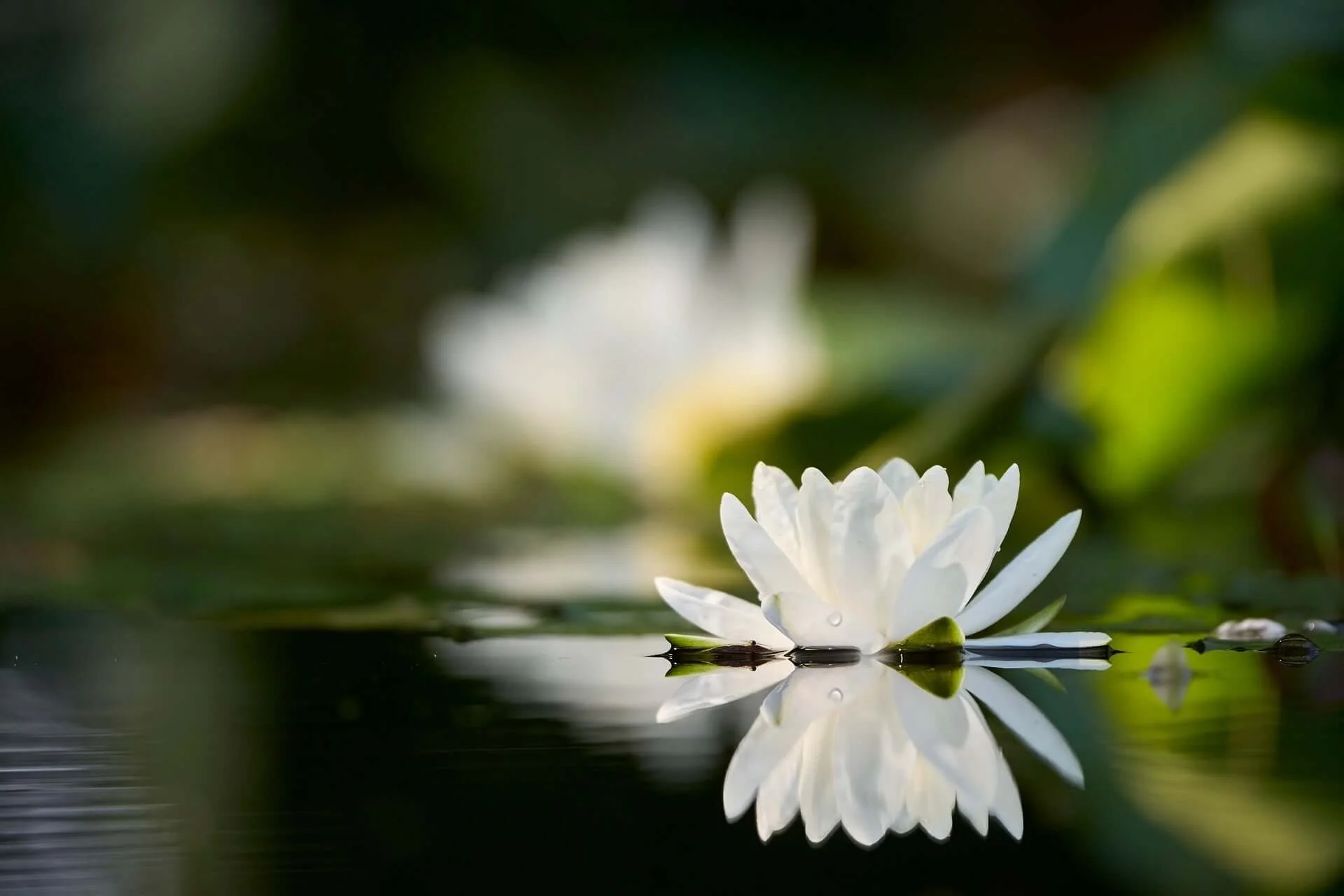
Image by Wolfgang_Hasselmann from Pixabay
One of the many things I learned from my daughters when they were little is that the world is full of wonders. A short walk to the park near our home often turned into an adventure of discovery and awe. It amazed me to realize how many tiny miracles—miniscule flowers, pungent fungi, exquisite stones, industrious ants—I had spent most of my life walking right past without ever really seeing.
Those small adventures taught me to see differently—to look more closely and to expect wonder in places I might otherwise overlook. Recently, when I came across this passage from the 14th-century Sufi poet Shabestari, I began to understand more fully what my daughters were teaching me on those walks all those years ago: that wonder is not something we have to travel far to find. It is everywhere. It is in the flower beneath our feet, the stone along the path, the ant carrying something many times its size. It is in the stranger we pass on the sidewalk, too, and in the mysterious chambers of our own hearts.
The world is infinitely larger than it appears.
Perhaps all that is required of us is to stop, right where we are, long enough to see it.
The Mirror of This World
by Mahmud Shabestari (1288-1340)
Every particle of the world is a mirror,
In each atom lies the blazing light
of a thousand suns.
Cleave the heart of a raindrop,
a hundred pure oceans will flow forth.
Look closely at a grain of sand,
The seed of a thousand beings can be seen.
The foot of an ant is larger than an elephant;
In essence, a drop of water
is no different than the Nile.
In the heart of a barley-corn
lies the fruit of a hundred harvests;
Within the pulp of a millet seed
an entire universe can be found.
In the wing of a fly, an ocean of wonder;
In the pupil of the eye, an endless heaven.
Though the inner chamber of the heart is small,
the Lord of both worlds
gladly makes his home there.
From the text, The Secret Rose Garden (circa 1311)